Much Ado About Nothing

Some people worry about the silliest of things. It seems another craft brewery (or cidery?) has been purchased by one of the big, corporate bad guys. The worry is that our corporate overlords will buy up all the good breweries and make us drink only rice-adjunct, industrial swill in cans.
On the surface, this sounds like something about which I should also be worried, but I’m not. Typically, I’m as anti-corporate as they come. I prefer craft breweries (as designated by BA) and indie labels. However, a capitalist economy is cannibalistic. This is what happens.
In many ways, precedent for an independent industry such as craft beer can be found in indie rock. There were indie labels well before the current craft beer movement took off. These labels were nearly wiped out through corporate takeovers before seeing an underground resurgence in the 80’s and a boom in the 90’s. During that boom, particularly in the mid-90’s, indie labels were signing deals with major labels almost as fast as indie bands. Many are still tied to major labels, taking advantage of corporate resources and distribution channels.
We indie rock fans (read: middle class, white, college kids, mostly male) feared for the indie labels. There was a thinking every time a Matador or Sub Pop signed a distribution deal with a major label that the days of innovation and creativity would be lost. Guided By Voices would be replaced by the Backstreet Boys. Sebadoh would record with orchestras and Phil Spector turning the nobs. Cat Power would do dance numbers in her videos a la Madonna. The end of indie was upon us.
However, that’s not what happened. Sure, some indie labels folded or changed their rosters to suit their corporate overlords, but most thrived in this system. Matador improved their distribution, garnering attention for some of their more-deserving acts. Sub Pop kept their doors open and lights on thanks to profitable deals with the devil. Still, other labels like Merge maintained their independence, putting off their eventual success in favor of slow-but-steady growth.
The success of indie labels traversing corporate waters is the ideal predictor for craft breweries now having to deal with the big brewers, or BMC. Some have openly worried that Goose Island will lose its edge now that it is owned by INBEV. On one hand, AB-INBEV has purchased naming rights based on several area codes, hoping to capitalize on the “localization” of Goose Island’s 312 Urban Wheat. Conversely, their beer geek favorite line of bourbon barrel-aged brews, better known as Bourbon County Stout, still seem to have a spot in the lineup. I suspect one will soon be able to find Goose Island everywhere, providing at least one craft-like beer choice wherever one goes. Additionally, consider all the new beer drinkers Goose Island will bring to craft beer. It seems the gloom and doom expressed over this buy-out is short-sighted and a bit hyperbolic.
Another fear is that some craft brewers are getting too big, emulating the practices of the industrial beer producers. It was worried that Stone would grow too large with its expansions of the last five years. New Belgium is slowly overtaking the lands east of the Mississippi. Sam Adams has long been a punching bag for craft beer fans intent on searching out only the rarest and most extreme of the craft beer scene. However, larger does not necessarily mean the quality will drop off. If anything, the successes of these breweries mean that more drinkers will find that beer is more than fizzy yellow stuff.
The same thing has happened with indie labels. As Matador, Sub Pop, Merge, and others have grown, so has their reach and influence over music in general. Arcade Fire’s Grammy triumph last year is a perfect example of this. A large reason Arcade Fire was so successful was that Merge’s policy of letting bands make all the decisions allowed them to control how they were marketed. Merge’s success over the years meant that this marketing message would reach a wider audience than once thought possible. Growth is not necessarily a bad thing.
Although I love to see small, independent businesses succeed as they are, I also recognize that some have to make concessions in order to survive. Utilizing the resources and networks corporations can offer can be a good thing as long as it doesn’t affect the product or a company’s standards. The same can be said for growing larger and expanding. As long as the beer and music remains of high quality, I’m not sure that I care how they do it. (This is assuming that there’s no slave labor or some other immoral business practice involved.)
When overreaction over supposed trends in craft beer happen, all we have to do is look to indie rock for how these things will turn out. Often, when craft breweries practice small, steady growth in an effort to put out a quality product the way they want to, good things happen. The worry over craft beer selling out is an unfounded one. The good will survive this time much the same way indie rock has survived its own flirtations with major labels.
—
Update: As I was considering this topic, other developments that caused additional stress in the beer blogosphere. It seems that craft breweries are closing. Now, some have the proper perspective to not fall for the panic, but others are worrying that the market is over-saturated. I seem to remember a similar lament in indie rock 15 years ago…
Honestly, there’s not really a trend or all that many people actually talking about it. I just wanted to post that song. The over-saturation of the market has been suggested, but it seems unfounded.
On Sentimentality
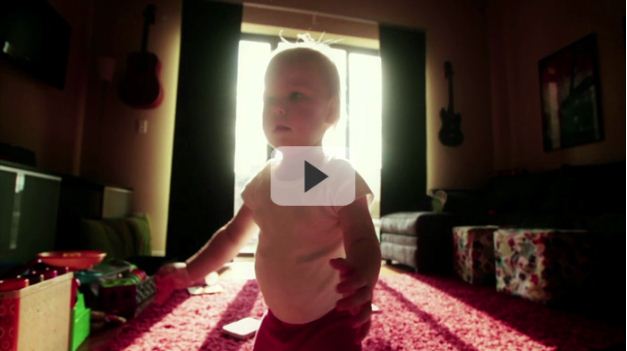
Music and images elicit a certain amount of sentimentality in its audience. In fact, producers of such art depend on that sentimentality to sell their art. It’s not a deceptive practice. Musicians have to sell records to make a living and continue doing what they love.
There’s also a more authentic aspect for manufacturing some sentimentality. Artists want to make a connection through common sentiments. If I reflect on my childhood or my child’s in a song or video and it connects with you, we create a community of sorts through this kinship. Yes, there’s profit to be made, but the human connections solidified are what’s really valuable.
Some roll their eyes at sentimentality, especially when something’s for sale. Take that Deschutes video I shared a while back…
Some beer enthusiasts were upset. They felt duped. Someone was accessing their sentimentality to sell some beer. They don’t like that and feel craft beer should be above such nonsense. However, it’s naive to think this way. Man, everything’s for sale, including your sentimentality. If you’re aware of it, who cares? Why not enjoy the moment?
I get a certain bit of sentimentality from beer and music. I’m okay with it being used to sell me more beer and records because I’m aware of what’s going on. I can separate something that makes me feel sentimental from what you’re selling. However, if I too feel sentimental about your product, I’m more than willing to shed reason to satisfy that need for sentiment.
Take the video at the top of this post for example. I have all kinds of feelings for this one piece. First, the song is by Eric Bachman of Archers of Loaf fame and now Crooked Fingers. Archers of Loaf captured the angst and blue-collar anger of my youth, feelings that still resonate with me. Crooked Fingers came around at some interesting transitions in my life. Darker sides of my mindset heard Bachman’s drunken laments and it connected. Ever since, the more mature material Bachman has released speaks to me as I grow older and accumulate adult responsibilities. His last album was completely overlooked by me and possibly should have made my final ten of 2011. For this, I feel a little guilty.
The video and song together really connects to sentimentality of my current state. Watching a young girl grow, discover her family history, and suddenly realize she’s grown really makes me think about my own daughter. Additionally, friends have recently asked me what fatherhood is like. for three years for her life, I’ve almost never had to answer this question. However, it’s come up a lot lately. I’ve surprised myself with how much I’ve had to say about it.
 This leads to a moment I had today. My mom called me this morning to tell me that my grandfather died earlier in the day, the day between my wife’s birthday (yesterday) and mine (tomorrow). She told me how she was able to see him before he passed. He wanted to talk, but the oxygen mask he was wearing wouldn’t permit his words to heard. She said by the time my aunt arrived later in the evening, he was virtually in a coma.
I thought about that moment, the moment my grandfather’s daughters had to see him in the most vulnerable of states. I thought about the last moments he had to look into his daughter’s eyes. I imagined the moment I will have to do the same.
This caused me to shutter a bit, but it resonated. Yep. I got all of that from one little music video.
I write about my interests because I feel connections to people through these things. I remember sharing a Goose Island Christmas ale with my grandfather the last time we celebrated the holiday together. My sister played some Bettie Serveert on Facebook today to help her cope with the sadness. I’ve listened to nothing but Bettie Serveert all day, remembering the summer I spent in Seattle when I caught them live.
Beer and music are there throughout our lives when the good and bad happen. Sure, there are other things, but these are the things to which I connect. So, I feel as though we should insure that these moments are connected to the best in both. I want the most meaningful music and the highest quality beer to connect to the times I share with loved ones.
Does this make me more susceptible to advertisers playing the sentimentality card? Sure, but why not enjoy feeling that connection now and and again? Honestly, I’d rather play a record for sentimental reasons than because Pitchfork told me to. I’d rather remember the time I had a heart-to-heart with a friend over a good craft beer than fully sober and without a taste in my mouth that will take me back to that one moment in time…
Now ‘m rambling a bit. Appeal to my sentimentality. I’m cool with it. I like feeling and remembering, things humans do.
By Definition
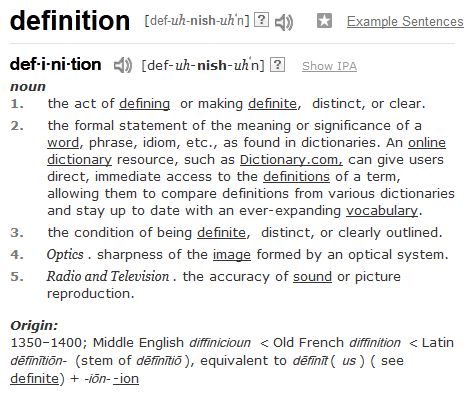
Folks are really hung up on definitions. Some definitions seem vague and disconnected. Others change depending on the context. Still, certain definitions are there just to create controversy. Whatever the definition, whether it be beer or music, they make for excellent fodder for a blogger in need of a topic to post.
The “session beer” is a highly controversial term. Beer Advocate has their somewhat Americanized version of what most Brits consider to be session beer. Then, there’s the session beer gospel as preached by Lew Bryson at his Session Beer Project. I’m not going to go into the definition of the session beer except to say that whatever you’re drinking over an extended period of time that doesn’t completely drop you beneath the table is close enough to a session beer for me. I’ll let others debate ABV criteria as I rarely choose a beer solely on alcohol level. (Although, I have avoided certain beers that would have rendered me unable to drive home.)
There’s been some talk and disagreement over the origins and definitions of the West Coast IPA. Jeff at Beervana attempted to solicit the help from his readers in order to align his own definition with the masses. This sort of topic borders on debates over terroir and a vain attempt to identify one’s region with a beer style. It’s really no different with the controversy over Cascadian Dark Ales and/or Black IPA’s. Brewers/marketers are trying to tie a beer’s definition with their particular region. Sure, styles originate from and often taste different when brewed in different locales. However, the makeup of the beers are generally similar. I enjoy how an IPA from Michigan tastes as much as I enjoy how one from San Diego tastes. Locale is a factor, but I won’t define a beer style solely based on region. It feels limiting and lazy.
Lately, a couple of definitions have come under fire. It seems there is a crisis over what constitutes craft beer in the UK. I’m not familiar with Simon Johnson’s Reluctant Scooper, but in his post titled “The Craft Beer Manifesto“, he takes a jab at what defines craft beer (in the UK, at least):
1: Only use distilled otter’s tears
2: Use only barley that’s been warmed by the breath of kindly owls
3: Craft beer cares, so only use hops that have been flown halfway around the world
4: You can have it any colour you like, as long as it’s not brown. Unless its an Indian Brown Ale
5: Beards allowed only if they’re ironic
6: It’s not “inconsistent”, it’s “experimental”
7: It’s not “hiding faults”, it’s “barrel-ageing”
…
I found his list (all twelve) to be pretty funny. However, scrolling through the comments alerted me to some curmudgeon-like attitudes toward beer. I don’t know how everyone defines craft beer, but it seems to me that it’s beer brewed using traditional methods on a relatively small scale. The definition that Johnson hints at – with tongue firmly planted in cheek – is what has been marketed to us in one way or another. Some has been by design as breweries fight for their own unique place in the industry. Some is a creation of the craft beer geek culture where bigger, extreme-er beer is appreciated most. I think it’s a simple thing really, determined by brewing methods and production. Still, the manifesto is a funny list to discuss at the bar. (H/T Stan)
Another blog post has pondered the definition of a brewer. Zak Avery ponders the question perfectly and the proof lies in the responses he generates from his readers. The definitions are all over the place as each commenter has his/her own perspective on what constitutes a brewer. Simply, I’d suggest that a brewer is anyone who brews beer. There are good and bad brewers, ignorant and knowledgeable brewers. If we want to get technical, we could divide brewers between home and commercial, but sometimes there isn’t much difference in this dichotomy. The debate could go on, but that’s why it’s such a great question or rumination. (also H/T Stan)
Commenter Bill Farr asked me to define indie rock. Has anyone really tried to do this? Actually, some have. AllMusic of course has something to say:
Indie rock takes its name from “independent,” which describes both the do-it-yourself attitudes of its bands and the small, lower-budget nature of the labels that release the music. The biggest indie labels might strike distribution deals with major corporate labels, but their decision-making processes remain autonomous.
On the surface, that seems easy enough. However, when bands sign with major labels, whether or not they really do make “autonomous” decisions is up for debate. Too often, the idea of indie rock has been assigned to a certain aesthetic. Honestly, I am guilty of limiting this segment of music to the music I like: guitar-centric, rock music preferred by white males who attended college in the mid-90’s. I realize that I’m ignoring a huge amount of music when I proclaim indie rock as my favorite genre of music. Really, what I should do is say that I appreciate indie rock, but I prefer bands like Pavement, Guided By Voice, Sonic Youth, The Walkmen, etc. Luckily, it’s not up to me to define indie rock for you. We have AllMusic and Wikipedia for such trivialities.
Where definitions get interesting in indie rock is where we actually start to define genres and sub-genres. Lo-fi was made popular as an aesthetic where bands recorded in bedrooms on cheap four/eight-track recorders. Riot grrrl defined a generation of punks hellbent on injecting the DIY, punk scene with some estrogen. Baroque pop was the only monicker someone at Spin or Rolling Stone could muster in order to explain what Arcade Fire or Beirut were doing. I could go on and on with genres and subgenres made popular in indie rock circles. The topic of these genres is enough to write a book on its own.
So, what am I getting at?
It seems a great deal of time is spent on blogs and books and whatever media one prefers trying to define everything. The only problem I have with this is that so many of us (myself included) spend a lot of time trying to define it for others. No longer do we listen to (or read) each other and try to meet at an understanding. I’m as guilty of this as anyone. A certain amount of anonymity and/or distance provided by the interwebs does that. I’m trying to get better at this and simply state that what I post here is just my perspective. Sometimes that’s clear. Sometimes it’s not.
I prefer to see these definitions as evolving tools to better understand one another. If you and I have different ideas as to what a session beer is, it might make for a more enjoyable session if we know from where each person is coming. Let’s say that I am a Lew Bryson disciple and will only drink session beers measuring in at 4.5% or less and you’re the type that can’t taste anything below 9% ABV. It would be helpful to know that I can throw back several pints over the course of evening while you may want to limit yourself to sipping one or two beers over the same time period. Without this understanding, one of us comes off looking like a drunk: you for drinking high gravity beers at the same pace as I or me for throwing back five pints in one sitting.
When I talk music with people, the definition discussion is much easier. No one is stuck to one definition for a band or an album. We prefer to delve into what the music is doing for us and what influences it resembles. Conversely, the beer nerd conversation is dependent on the definition of a beer or its style. Thankfully, this grip on definitions is loosening as some in my beer circle would rather talk about tangibles of the moment or how the beer tastes in that particular context. To me, these discussions over definitions are so much more useful and productive rather than one party insisting on whatever is etched in stone while another pontificates that all formal definitions are obsolete.
Thankfully, Martyn Cornell provided some reason to the conversation and yet another term to help describe what we beer enthusiasts like. He used the post to promote the idea of “fine beer”, you know, like “fine wine” or “fine dining”. I’m all for it, but I won’t use this space to go into that. His main point is the same point I’m trying to make. Basically, the labels we use to describe what we like (craft beer, indie rock) are just the words that make it simpler to tell outsiders or newcomers what we like. It’s a way to organize store shelves and record bins. It doesn’t adequately describe all the reasons we like what we like. It’s shorthand. It’s easy, almost lazy. (Martyn didn’t say this exactly. I’m sort of paraphrasing.) So, the energy spent defining lazy terminology is energy wasted.
I will continue to use the terms “craft beer” and “indie rock” to describe my tastes in drink and music. I will probably also try to define these interests with each blog post. However, I am not trying to define these specific terms for you. What I am attempting to do is to define what I like and why. I am trying to make the case – like many have done before me – as to why this is important. I am not attempting to define beer and music for you. I am just trying to engage the conversation, the thing that goes neglected when we have to define everything.
The Publishing Bug

I’ve come to the realize that all I’ve ever wanted to do was write. There’s some regret that I didn’t use my college years to develop my writing more than I did. Instead, I decided teaching children was a better use of my skills. Boy, was I wrong.
Blogging has only been a hobby of mine for the past five years. Aside from a few posts picked up by the local paper, I’ve generally only seen my words in digital ink and not the soy variety. However, this is the closest I’ve come to both developing my writing and actually publishing what I wrote.
That’s about to change. As some of my regular readers are aware, I’ve often contemplated turning what I do here into a book of some sort. Obviously, these posts are a long, long way from being published, but the growth I’ve seen in my writing has me thinking that I could do this with some polish here and there. Plus, I am never short on ideas. Yeah, I go weeks with barely anything to say, but I’ve maintained several blogs at once over the years, sometimes able to post on a daily basis. Although I lack polish, I more than make up for it with ideas. I’m like the Bob Pollard of blogging. Sort of.
Although, I have been talking about writing for a while, I really got serious a couple of weeks ago while having beers with a friend. He’s “dabbled” in publishing and suggested that I should just start contributing articles or reviews to magazines. I don’t know whether he was a little drunk, actually enjoys what I have to say, or was seducing me, it made me realize how easy it would be to submit writing to a publication. Actually getting published might be another story, but the idea was to put something out there, to at least try.
So, I started considering publications to approach. I know a guy who wrote every-other record review for the year-end issue of Magnet. (Yes, they’re publishing Magnet again.) He’s an excellent writer, but he seems to appreciate some of my ideas now and again. It make me feel as if I could do what he does, or at least a fraction of it. It may be time to write a record review for submission beyond this blog.
Then, I flipped through to the last page of the March issue of All About Beer. The magazine closes with a feature called “It’s My Round” where people briefly tell their beer-related stories. This particular piece was written by a daddy blogger about his first sips of beer and how he wants to wait to share beer with his son. I could have written those words, but I didn’t. Then, I saw a note at the bottom explaining how to inquire about submissions. That was the opening I needed. I’ll write about beer and Pavement in a beer magazine. It might not get printed, but at least I’ll be able to say I tried.
Finally, the other night, semi-frequent commenter Holly sent me a link to a call for submissions. The venerable 33 1/3 series which features short book on some seminal albums is asking for submissions for new projects. The books are simply memoirs about some of the greatest albums of the last 30 or so years. Some editions just tell the story of the recording of said albums. Others tell a band’s story, focusing mostly on one moment in their history. Still, others tell the story of the listener’s relationship to the album. Whatever, I decide to do, this is a project I must try!
I had to drive for 90 minutes after learning of the call. So, I had time to think. My mind raced from album to album, trying to pinpoint the album most deserving of a 33 1/3 edition. I then had to consider my angle as the call implied that unique stories would receive preferential treatment. Maybe I could write about an album in relation to the rise of craft beer. Maybe there’s an angle I could consider that I’ve already explored on this site. Maybe I have a perspective no one else has…
So, I came up with a list of possible proposals for the series, but the publishers will only accept one. Feel free to submit your own, but all I ask is that you don’t steal any of my worthy ideas (if there are any). Tell me which I should pursue in the comments. I have an idea which one will stand the best chance of being accepted and actually completed, but I want to see what you all think. I also welcome any ideas you may have for me that I’m completely missing.
Terror Twilight – Pavement
This isn’t even my favorite Pavement record, but I feel there’s a story that hasn’t been told. For those who aren’t aware, this was Pavement’s last record. Between my experiences throughout the nineties with the band, my attendance at their final North American show (the first time around), my attendance at two of their reunion shows in 2010, and the stories swirling around their inevitable breakup during the recording of Terror Twilight, I think there is easily an entire book to write.
The Body, the Blood, the Machine – The Thermals
This album carried me through a tough time in my life and is just so ridiculously good. I thought that I might connect it to the rise of craft beer in Portland (or the rise of Portlandia in general). Plus, I have established a rapport with head Thermal Hutch Harris. Still, it might be a stretch to make the connections I’m trying to do here. That, and I’ve never been to Portland. I also considered albums by Cursive and Spoon during their brief sojourns to Portland or the transplanted albums by The Shins or Stephen Malkmus and the Jicks.
Number Seven Uptown – Swearing at Motorists
I always felt that this album just sounded like growing up in Ohio. Dave Dougman has an interesting story cutting his teeth in Dayton, before heading to Philly and eventually Berlin. He also seems really approachable. However, I don’t know that this album is known well enough for it to garner its own spot in the series. It’s certainly seminal to my experiences, but that might not be enough for 33 1/3. Other possibilities could include a Guided By Voices album not yet featured (Alien Lanes?), The Amps’ record, or Brainiac’s Hissing Prigs in Static Couture.
Other records I would consider but would probably just research the band, possibly leaving out my own experiences…
Perfect from Now On by Built to Spill
The Lonesome Crowded West by Modest Mouse
Come On Feel the Illinoise by Sufjan Stevens
Any album by Archers of Loaf
Funeral by Arcade Fire (Seriously, no one has written this book yet.)
Please come correct with your suggestions or your take on what I’ve cooked up here. Particularly, I’d love to hear the perspective of my beer enthusiast readers who know of a beer/music connection I must explore.
Mikkeller Royal Rye Wine: The Review

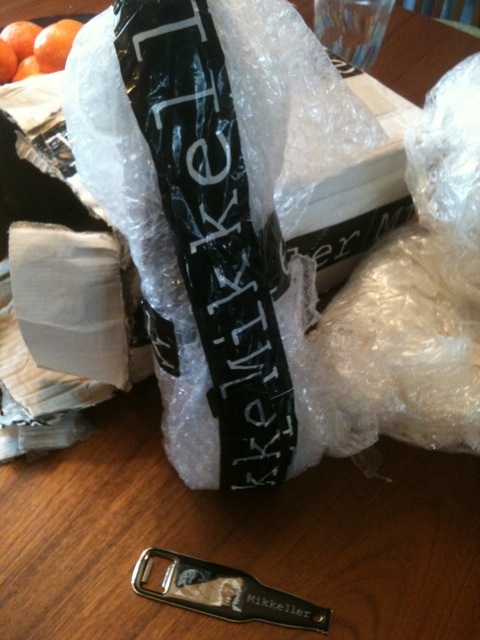
Maybe I’ve over-extended myself, but this special occasion was reason enough to take this blog where it’s never been before. The Mikkeller collab Royal Rye Wine arrived a couple of weeks ago. I’ve been sitting on it, waiting for a brief moment in my schedule to review it properly. I don’t know that the video below does it justice, but we tried record the event and maybe we’ll get better with each episode.
My disclaimer is that this video beer review thing is not easy. The Hopry is the gold standard and now I understand why he doesn’t do it anymore. It’s a lot of work. Then there are those who consistently do professional-looking videos at New Brew Thursdays and 100 Beers in 30 Days… We’re just not at that standard just yet. I made the valiant effort of editing out a large portion of my “ums”, but you’ll notice I’m loaded with them. This is why I, um, blog.
Anyways, here’s the video. Below that, I’ll add some thoughts, what we did with the rest of the afternoon, and maybe even some additional media. Comment freely, but be constructive.
So, the beer was good and completely caught us off guard (in case you couldn’t tell). Normally, the three of us can talk forever on such things, but this beer left us speechless – something only Mikkeller can typically do. The rye was pronounced. The grape/wine flavors came and went as our palate was challenged by the rye and the beer warmed. There was a slight amount of carbonation, but as we drank, that dissipated quickly. However, the body of the beer did not suffer. This truly is a wine drinker’s beer. Typically, I think of sour beers as being the closest thing to wine a brewery can accomplish, but this beer actually attains a wine-like feel without wine barrels and the infections they carry. We weren’t just blowing steam up Mikkeller’s ass. This beer is both interesting and a lot of fun to drink.
Now, as far as the video, I’m hoping we’ll get better. You all should provide plenty of suggestions to make it better. I’m pretty happy with the opening and closing. Jeff and Jarrett were great. (Be sure to check out any out-takes I’ll post below. There’s good stuff there.) However, my stumbling, bumbling dialogue needs work. Maybe I’ll prepare a little better next time. Maybe we’ll do it live and you can see how it really goes down.
Anyway, there are some credits I forgot to include or didn’t make clear enough. Jeff took the pictures. You can find them here. Jarrett is a certified cicerone. So, he knows about which he’s talking. The opening credits song is “Hardcore UFO’s” from the Guided By Voices record Bee Thousand. If I missed something, let me know in the comments.

We consumed the three beers above, plus one a homebrew Jeff contributed. The Allagash Interlude was a beer I found in Richmond, VA this past summer. It’s a 2009 vintage and contained tons of tartness with a touch of oak, another wine-worthy brew. Really, it was a delicious beer. I had had a 4 Calling Birds from The Bruery once before, but it was lost in a tasting. My palate was relatively fresh this time around and I found the nutmeg to be almost toxically good. Jeff’s homebrew was called Hop Heaven after Avery’s Hog Heaven Barley Wine. It was a hop-forward barley wine that could use some time to age, but that probably won’t happen. There’s noting wrong with that either.
Before I close, below you’ll find a video of out-takes, the two videos from Mikkeller dealing with the contest, and a Russian video about the Royal Rye Wine release. Enjoy!
Pics in this post are also courtesy of Jeff.
Programming Note
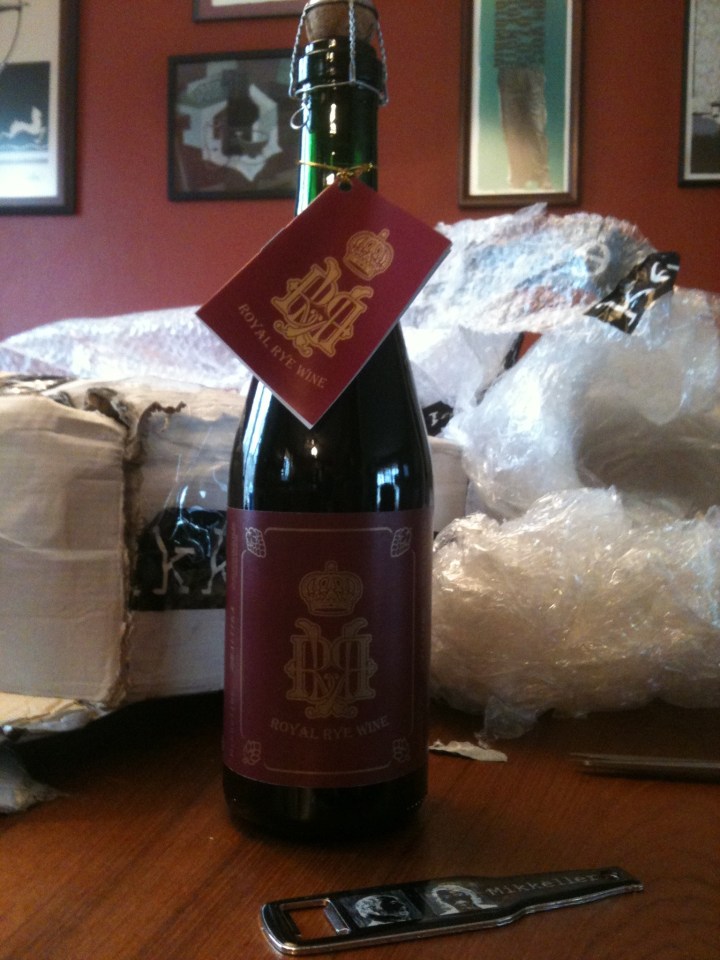 Yes, I have been a bad, absent father as of late. However, things are happening. I’ve just been too busy to complete any posts. Here’s a quick rundown of posts I have in the works..
- Rubber (a short story)
- a review of every Mikkeller beer I’ve ever had
- Throwing Stones
- On Death
- On Holidays
- By Definition
- On Scarcity
- Something to do with a blind tasting I recently participated in
- A possible note about a road trip to Nebraska recently
Also of note, I will be cracking open the Mikkeller collab sent to me overseas better known as the Royal Rye Wine around noon (CST) tomorrow yesterday. Two friends will be helping me. We’ll record for a new video series I’ve dreamed up called Beer Thousand. Stay tuned…
In the meantime, check out my friend’s radio program, Vile Jelly Radio, on Sunday from 6-8 p.m. CST on 88.1 KCOU in Columbia, MO, or streaming at kcou.fm.
Sorry. This was supposed to post on Friday. Still, the information rings true. Eventually, Vile Jelly will be available online in recorded form.
The Most Oregon Thing Ever
I’ve never been to Oregon, but I feel as though I have. There was the time I spent a summer in the Puget Sound right after college. The scenery in that region wasn’t far off from what I know about Oregon. My record and beer collections are loaded with representatives from Oregon. I even own the first season of Portlandia. I’ve never been, but I think I know Oregon a little.
The following video popped up on Stan’s blog[1] Monday that may very well be the most Oregon thing I’ve ever seen…
First and foremost, it’s a great piece of film-making. It’s a simple road trip story featuring a young couple. There’s plenty of story there even without any dialogue. The boy tries to entice the girl into his van with his banjo. She’s pissed at him for some reason but eventually relents. Obviously, she’s cool with it. She’s just not quite sure where it’s all going.
Eventually, inspiration hits and the couple maps out a trip that will allow them to see all the landmarks featured on Deschutes labels. What results is a trip where they learn more than the value of craft beer. No, the beer epiphany isn’t the only discovery for the couple.
The story is sweet even with the not-so-subtle inclusion of the Deschutes labels and corresponding landmarks. Craft beer is bigger than beer or the beer industry. There are the aforementioned epiphanies, but more importantly there is craft beer’s relationship to life and living. The time and expertise that went into brewing the beers the couple drink in the short are greater than the effects of throwing back a few cold ones. This is something handmade yet magical that becomes a part of their story.
Anything artisanal has this advantage over anything corporate or industrial. Where the makers of industrial, rice-adjunct lagers have done all they can to strip personality from their products, breweries like Deschutes have multiplied and exploited it in order to keep that human element in beer alive. Beer is a living, breathing thing that enriches our lives with pleasure in the form of aroma, flavor, mouthfeel…and a little booze doesn’t hurt either. The personality and humanity in every bottle is a part of those moments and experiences that shape. Why fill that time with watery domestics?
The film says all this to me. Of course, I’m a bit more attuned to such things as these are my obsessions, but filmmaker Chris Hornbecker has a knack for finding the magical in images of humanity. This sweet love story/beer ad isn’t the only example of his craft. Check the Wolf Parade (RIP) video for “Yulia” as evidence that he is not a one-hit wonder. From what I’ve found using my expert Google search skills, he’s a photographer whose eye is incredibly adept at capture just those perfect moments you’ll never see in a Budweiser commercial.
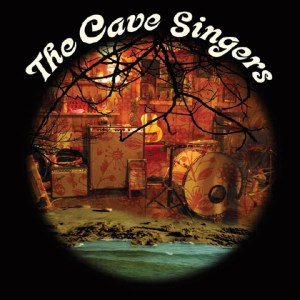
The music didn’t escape me either. I knew the band, but I didn’t know the band. Turns out that it’s a song, “Beach House”, by a Seattle band called The Cave Singers. Born out of the ashes of the now-defunct-yet-beautifully-named Pretty Girls Make Graves, The Cave Singers combine authenticity with expert storytelling to make “Landmarks” a truly compelling and universal story. You know, that moment in a young relationship when neither person is sure what’s happening or where it’s all going… Then, there’s that moment when one or both take a chance. Discoveries are made and love flourishes.
The music beautifully captures the sense of discover Hornbecker is trying to convey. That kind of discovery is rarely associated with keggers of industrial lagers. It’s never at the bottom of that can of Natty Light. This kind of humanity and relationship fits better with something that takes as much care as the artists who wrote, directed, shot, and performed such a lovely piece.
I don’t know that Deschutes’ arrival in my state two weeks ago could cause this same sort of discovery. Aside from the things I experience raising my daughter, a lot of discovery is starting to escape my grasp. That’s where the soulfulness of things like craft beer and indie rock enrich my life a bit.
Deschutes’ beers are full of soul. I could be a sucker for marketing, but every beer of theirs I’ve had has not disappointed. The ephemeral quality of a Deschutes beer, whether that be the roastiness of Black Butte or the crisp, floral aromas of Hop Henge, they always deliver a sense you’re tasting something memorable, something real.
The cynics among you will point out that I’m going over the top with this Deschutes video thing, but I’d argue that you’re not allowing yourself to enjoy these moments. I’m talking about the moment a song hits you in a way that you just want to play it over and over. Or that time a truly great craft beer fist reached your palate. What about that moment you smiled uncontrollably at the moment a film took you back to a time when you truly fell in love?
Maybe this describes Oregon. It more than likely does not. Still, it’s nice to think that there’s an Oregon like this out there. Thanks Deschutes for making some pretty great beer and thanks for commissioning this short film. You made my week.
Notes:
1I love Stan’s blog and he’s one of the most thoughtful and generous beer bloggers there is. However, I can’t help but be a little disappointed at the comments celebrating the fraction of a second the female character’s breasts are exposed. It was a lovely moment that was completely lost by a couple of his commenters. That’s fine if they got their rocks off on a little nudity, but I suspect they’d miss the importance of that same moment if it happened right in front of them. This kind of shit makes me loath the boy-dominated beer scene and worry for my daughter… Then, I have a beer and I don’t care anymore. It won’t ruin my enjoyment of this nice piece of art.
The Times Are A Changin’

Sorry for the erratic posting as of late. My life just got really busy and I’ve had no time to post. However, that should be a good opportunity for me to do things a little differently around here or as I originally intended.
This blog was never to be a chore or one of those everyday kinds of things. We were approaching that in November and December. Then, as I’ve mentioned above, I became very busy. That and posts were coming slowly. I needed a jolt.
Well, a few things have crossed my desk and made me rethink this blog yet again.
First, I originally set out to write longer, more thought-out posts than I’ve been doing lately. Sure, some of my ideas have potential, but they often falter as I hurry to publish them. So, I’m getting back to the fully-baked blog posts that made this blog so strong at one time. The intention has always been to develop something I can publish, like on paper. Well, half-assed blog posts don’t usually end up as books or magazine articles. So, a new focus on quality will be evident here. If my quality sinks, I’ll expect that you’ll all let me know.
Second, I will be getting away from Monday top-5 lists and the straight reviews. They’re tedious and rarely all that interesting. I may still do lists, but they will be lists deserving of consideration. Reviews won’t disappear completely from this site, but they will feature more than just a nuts and bolts review. Look for my Royal Rye Wine review in video form. Future views may or may not be of the video variety, but they will be the essay form I typically enjoy writing.
Finally, there will be a new focus on what this coalition is about: craft beer and indie rock…or craft rock and indie beer and where the two intersect. The straight indie rock posts attract no traffic. It’s been done before. The straight craft beer posts are sort of boring. Beer/music posts are my specialty and I should stick to that. Plus, it could help develop my niche for the first goal mentioned above.
Stay tuned. I have two posts in the works and another one marinating. The Royal Rye Wine tasting will happen Saturday. The video of that tasting should happen some time next week.
Tell me what you think. What am I missing? Do you welcome this back-to-basics approach? Should I even bother? Come on. Validate me.
My Obligatory Anti-SOPA Post

All the SOPA stuff today will make it easy for me to fill a post today. I’m really too busy to post this week. The goal is to get something out by Friday and pick up the pace next week. Until then, I will tell you how bad SOPA is. It’s bad. It’s bad for the internet. It’s bad for free speech. It’s bad for learning. It’s just plain bad.
From what I understand, there aren’t even enough votes in the House or Senate to pass the thing and the president doesn’t support it either. I’d post links, but they’re all blacked-out. (Not really. I’m just lazy.) So, I think we’re in the clear, but it’s good that we stand up for some freedoms periodically just to keep Washington and corporate America aware that we’re paying attention. Sometimes.


 Beer and Pavement
8 comments